How to Find Your Signature Scent: A Guide for the Modern Fragrance Lover
A signature scent is one of the most intimate choices you will ever make. It is not simply a fragrance you enjoy — it is the invisible layer of your identity, the scent that lingers in a room after you leave, the one that people remember you by. Finding it requires patience, curiosity, and a willingness to listen to your instincts.
What Makes a Scent a Signature?
A signature scent is not necessarily the most expensive fragrance you own, nor the most fashionable. It is the one that feels like an extension of who you are. When you wear it, you do not feel as though you are performing — you feel more like yourself.
Some people discover their signature scent immediately. For others, it is a journey of years. Both paths are valid. The only requirement is honesty: choose what moves you, not what impresses others.
Understanding Fragrance Families
Before exploring individual scents, it helps to understand the broad categories — or families — that fragrances fall into. Knowing which families resonate with you will narrow your search considerably.
Oriental and Amber
Rich, warm, and enveloping. These fragrances often feature amber, vanilla, resins, and precious woods. They feel opulent, intimate, and slightly mysterious. If you are drawn to warmth and depth, this family is a natural starting point. Royal Amber is a masterful example — golden, smooth, and utterly captivating.
Oud and Woody
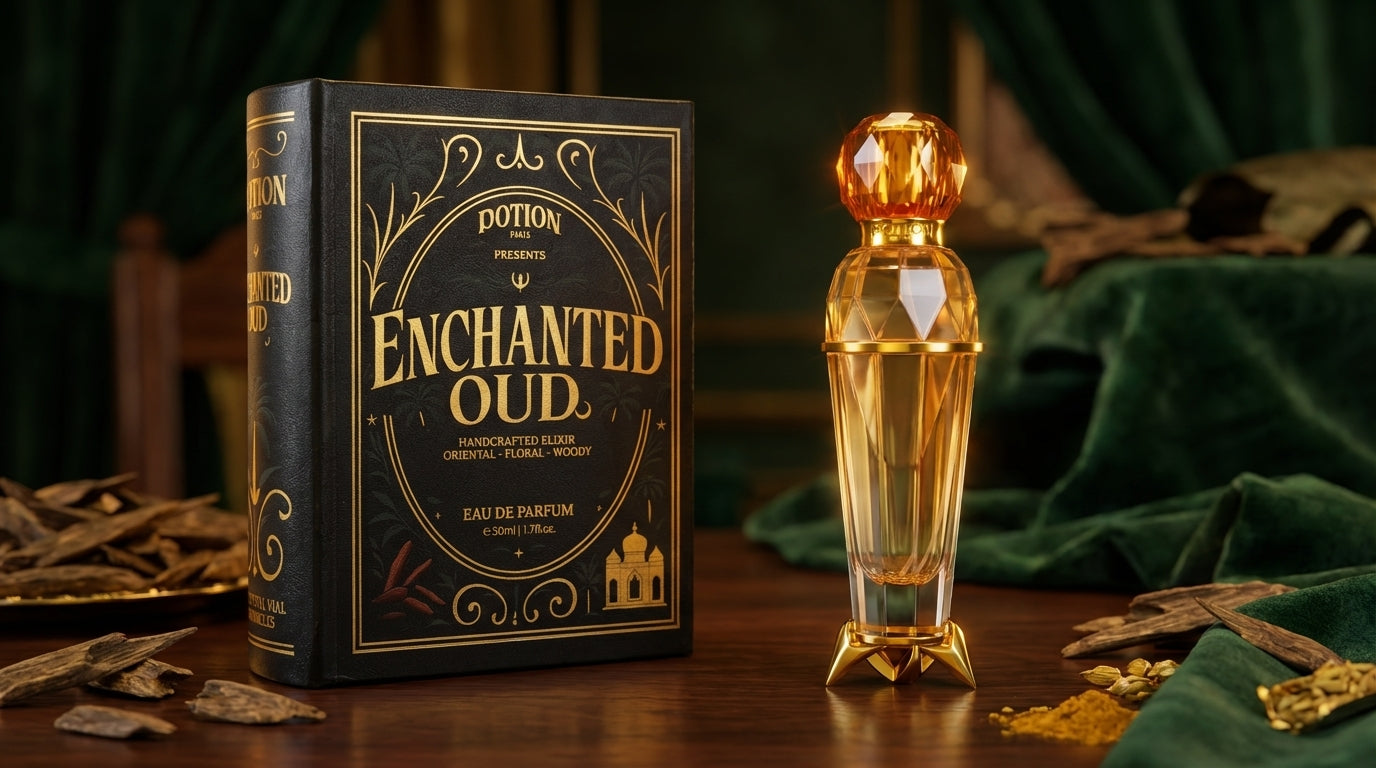
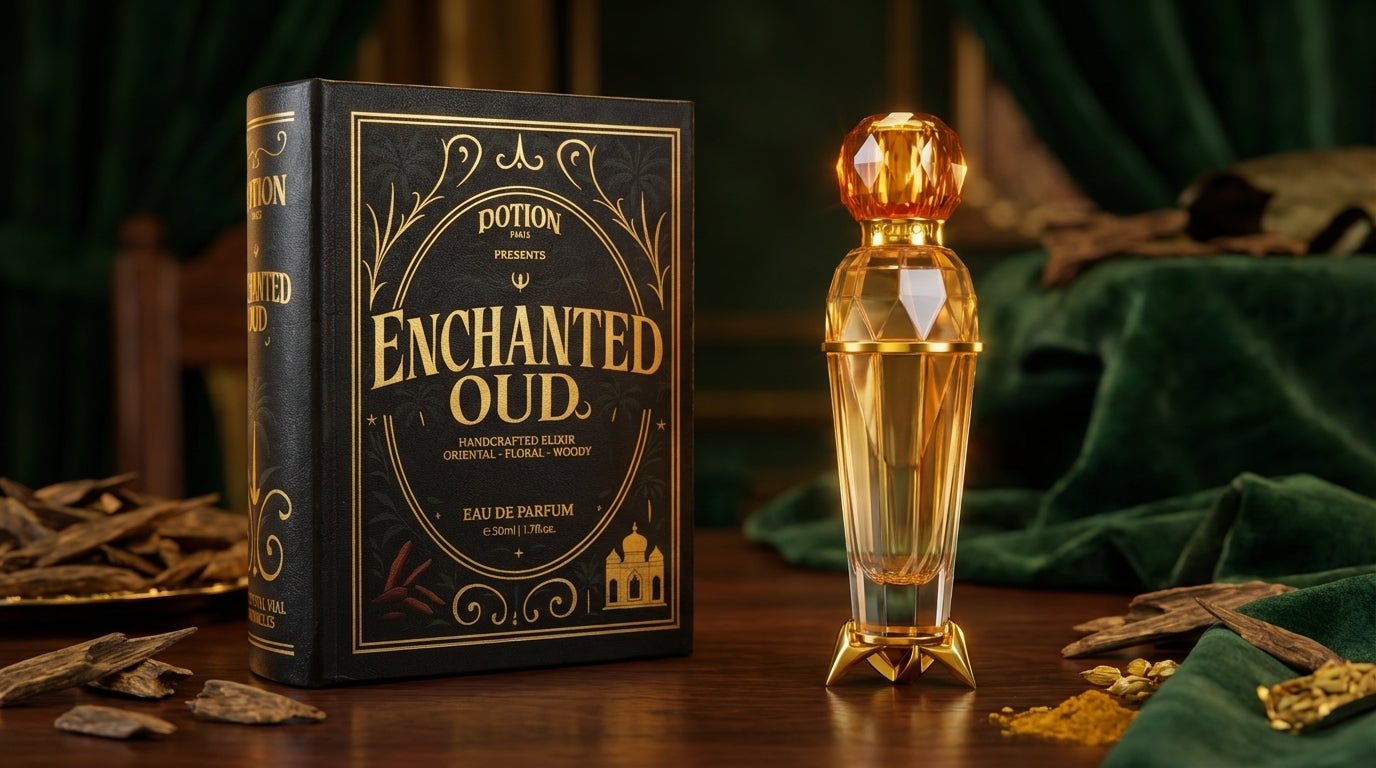
Deep, resinous, and complex. Oud-based fragrances carry a smoky richness that has been prized for centuries across Middle Eastern and Asian perfumery traditions. If you find yourself drawn to incense, leather, and dark woods, explore compositions like Enchanted Oud — where ancient tradition meets contemporary refinement.
Floral
The largest and most diverse family. From airy white florals to deep, nocturnal roses, floral fragrances range from innocent to intoxicating. Rose de Nuit sits at the darker, more sophisticated end — a rose that blooms at midnight rather than dawn.
Spiced and Exotic
Saffron, cardamom, cinnamon, and pepper create fragrances that feel adventurous and worldly. These scents transport — they suggest souks, distant journeys, and hidden gardens. Zahara captures this spirit with its golden, spice-laden warmth.
Dark and Mysterious
Some fragrances resist easy classification. They blend smoke, leather, dark florals, and brooding resins into something atmospheric and deeply personal. Noir de Marrakesh lives in this space — a scent for those who prefer shadow to spotlight.
How to Test Fragrances Properly
The way you test a fragrance matters enormously. Follow these principles for more accurate results:
1. Test on Skin, Not Paper
Blotter strips are useful for a first impression, but fragrance changes dramatically on skin. Your body chemistry, pH levels, and even diet affect how a scent develops. Always apply to skin before making a decision.
2. Limit Your Testing
Your nose can only evaluate two or three fragrances at a time before olfactory fatigue sets in. Test no more than three in a single session, and give each at least twenty minutes to develop.
3. Live With It
The most important phase of fragrance testing happens hours after application. The dry-down — when the top notes have faded and the heart and base emerge — reveals the true character of a scent. Spray in the morning and pay attention throughout the afternoon.
4. Test in Different Seasons
Heat amplifies fragrance; cold subdues it. A scent that feels perfect in autumn may be overwhelming in summer. Your signature scent should feel right across most conditions, or you may choose to rotate between two complementary scents.
5. Trust the Emotional Response
The best fragrance decisions are not intellectual — they are visceral. If a scent makes you pause, close your eyes, or smile involuntarily, pay attention. That response is more reliable than any review or recommendation.
Common Mistakes to Avoid
- Choosing for compliments — A signature scent should please you first. Compliments are a pleasant side effect, not the goal.
- Following trends blindly — Popular fragrances are popular precisely because everyone wears them. A signature, by definition, should feel personal.
- Rushing the decision — Give yourself weeks or months to explore. The right scent will make itself known.
- Ignoring concentration — Eau de parfum and extrait de parfum concentrations last longer and project more naturally than eau de toilette. For a signature you wear daily, invest in concentration.
Building a Fragrance Wardrobe
While the idea of a single signature scent is romantic, many modern fragrance lovers prefer a curated wardrobe of two or three scents that serve different moods and occasions. A daytime scent, an evening scent, and something for special occasions creates versatility without chaos.
Explore the full collection to discover which compositions speak to different facets of your personality.
The Most Important Rule
There is no wrong choice. Fragrance is one of the few forms of self-expression that remains entirely personal — invisible to the eye, intimate by nature, and impossible to fake. The scent that makes you feel most alive, most present, most yourself — that is your signature.
Wear it without apology. Wear it every day. Let it become the invisible thread that ties your moments together.