


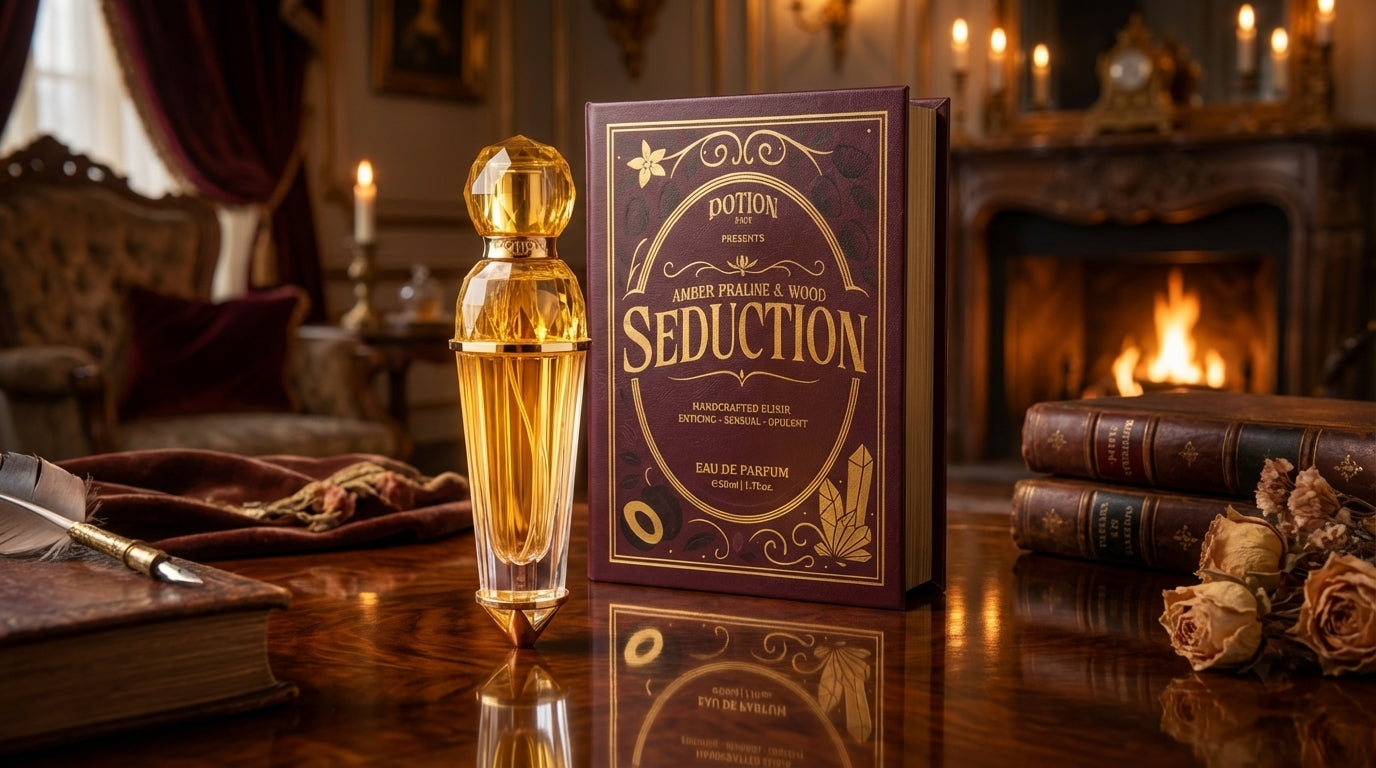
How to Make Your Perfume Last All Day: 7 Expert Techniques
Why Your Perfume Fades (And What to Do About It)
You spray your favourite fragrance in the morning. By lunchtime, it has vanished. You reapply. By evening, it has vanished again. Sound familiar?
The frustration is real — and so is the solution. Perfume longevity is not just about the fragrance itself. It is about how you apply it, where you apply it, and what you do to your skin beforehand. Master these seven techniques and you will notice a dramatic difference.
1. Moisturise Before You Spray
This is the single most impactful thing you can do. Fragrance molecules cling to hydrated skin far more effectively than dry skin. When your skin is dry, the alcohol in the perfume evaporates quickly, taking the aromatic compounds with it.
The technique: Apply an unscented moisturiser or body oil to your pulse points immediately before spraying. The oils create a base layer that traps fragrance molecules against your skin. Vaseline also works — a thin layer on pulse points gives the fragrance something to anchor to.
Why unscented? Scented moisturisers can clash with your perfume, creating an unpleasant hybrid. Stick to neutral options and let your fragrance speak for itself.
2. Apply to Pulse Points — But Not All of Them
Pulse points are where blood vessels sit closest to the skin's surface, generating heat that helps fragrance project. The classic pulse points are wrists, neck, behind the ears, inner elbows, and behind the knees.
But here is the nuance most guides miss: you do not need all of them. Over-application does not make perfume last longer — it makes it louder for the first hour and then fade at the same rate. Choose two to three pulse points maximum:
- For projection: Neck and one wrist
- For intimate scent: Behind the ears and inner wrists
- For all-day longevity: Inner elbows and behind the knees (clothing traps the scent)
3. Never Rub Your Wrists Together
This is perhaps the most common fragrance mistake in the world. You spray your wrist, then rub both wrists together. It feels instinctive. It is also destructive.
Rubbing creates friction heat that breaks down the top notes — the initial, lighter molecules — prematurely. This means you skip past the carefully composed opening and jump straight to the heart and base, distorting the perfumer's intended sequence. The fragrance also burns through faster overall, reducing your total wear time.
Instead: Spray. Wait. Let it dry naturally. If you want fragrance on both wrists, spray each one individually.
4. Spray Your Hair (Carefully)
Hair fibres hold fragrance exceptionally well — often far longer than skin. The fibres act as tiny reservoirs, slowly releasing scent throughout the day. There is a reason you can still smell perfume on a scarf or jumper days later: fibrous materials are fragrance magnets.
The caution: Alcohol-based perfume can dry out hair over time. The solution is to spray your hairbrush rather than your hair directly, then brush through. Alternatively, spray into the air in front of you and walk through the mist — this deposits a light, even layer on your hair and clothing without concentrating alcohol in one spot.
5. Layer Strategically
Layering is the technique used by fragrance enthusiasts worldwide to build longer-lasting, more complex scent profiles. The principle is simple: apply complementary scented products that reinforce your main fragrance.
The sequence:
- Scented body wash or soap in a complementary scent family (same or neutral)
- Unscented moisturiser (to create the base layer)
- Your eau de parfum on pulse points
- A light mist on hair or clothing
Some fragrance houses offer matching body products specifically for layering. If yours does not, choose products with similar note families — vanilla-based moisturiser under a gourmand fragrance, for example.
6. Store Your Perfume Properly
Where you keep your fragrance directly affects its quality and longevity. Perfume degrades when exposed to three things: heat, light, and oxygen.
- Keep it cool and dark. A drawer, wardrobe, or bedside table — not the bathroom (humidity and temperature fluctuations accelerate degradation) and not a windowsill (UV light breaks down aromatic compounds).
- Keep it upright. This minimises the surface area exposed to air inside the bottle.
- Keep the cap on. Exposure to air oxidises the fragrance, subtly altering the scent and reducing potency over time.
A well-stored perfume can last three to five years without noticeable degradation. A poorly stored one can lose its character within months.
7. Choose the Right Concentration
Not all perfumes are created equal in terms of longevity, and this has nothing to do with quality — it is about concentration.
- Eau de Toilette (5-15% oil concentration): Lighter, fresher, typically lasts 3-5 hours. Ideal for daytime and warm weather.
- Eau de Parfum (15-20% oil concentration): Richer, more complex, typically lasts 6-10 hours. The sweet spot for most occasions.
- Parfum / Extrait (20-40% oil concentration): The most intense and longest-lasting, often 10+ hours. A single spray goes a long way.
If longevity is your priority, always choose Eau de Parfum or higher. The additional cost is offset by the fact that you use less product per application and it lasts significantly longer.
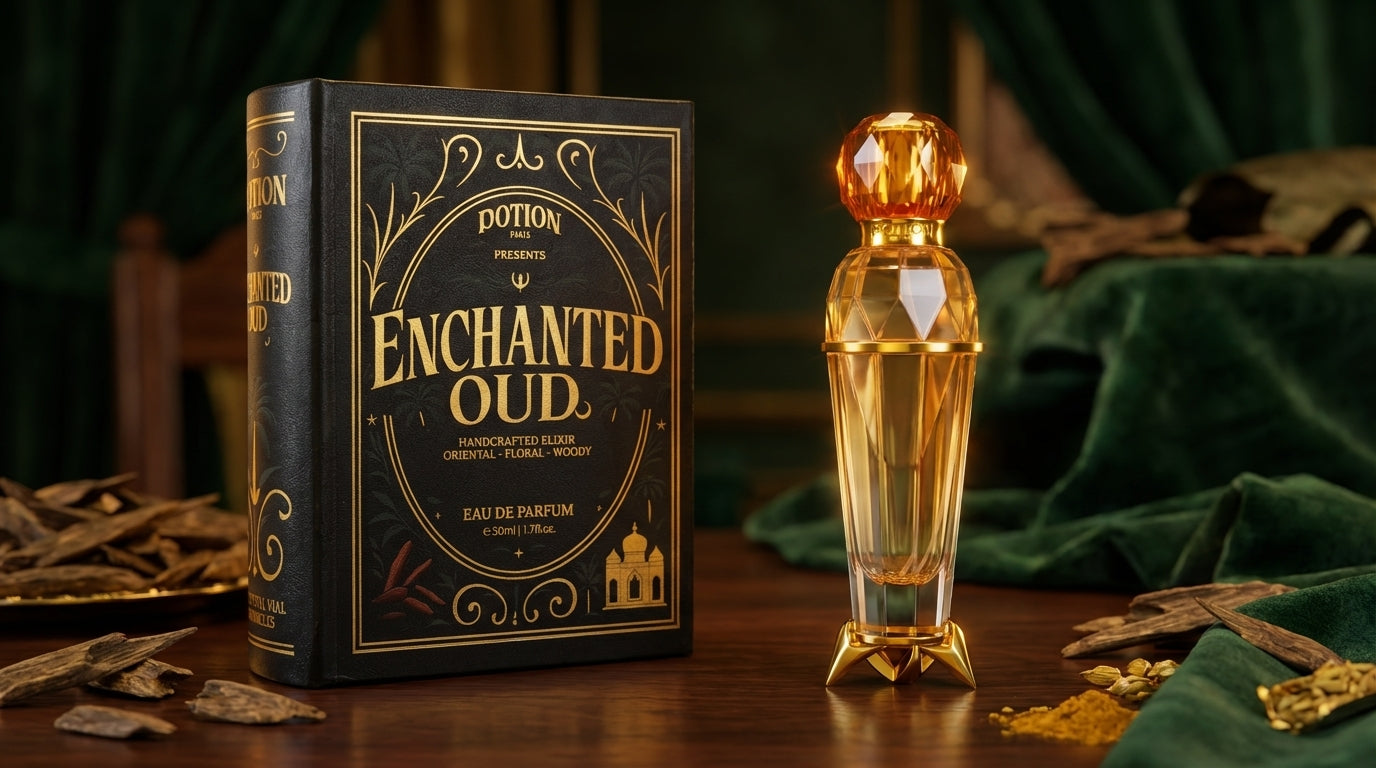
Every fragrance in the Potion Paris collection is formulated as Eau de Parfum, with enhanced natural Orpur oils that provide exceptional longevity. The Crystal Vial's refillable design means you are investing in a vessel you keep forever — only the fragrance itself needs replenishing.
Bonus: The "Clothing Trap" Technique
Spray your fragrance on your skin before getting dressed. As you put on your clothes, the fabric traps a layer of scent close to your body. Throughout the day, movement creates small air currents between your skin and clothing, releasing gentle wafts of fragrance. This is how you achieve the coveted "sillage" — the trail of scent you leave as you move through a room.
For maximum effect, spray your scarf, collar, or jacket lining directly. Fabric holds fragrance significantly longer than skin — often 24-48 hours.
Frequently Asked Questions
Why does perfume last longer on some people than others?
Several factors affect how fragrance interacts with your skin: hydration level, skin pH, natural oil production, diet, and even medication. People with oilier skin tend to retain fragrance longer because the natural oils act as a fixative. Dry skin lets fragrance evaporate faster, which is why the moisturising step is so important.
Does perfume last longer in cold or warm weather?
Heat amplifies fragrance projection but also accelerates evaporation. In warm weather, you will notice your perfume more but it may fade faster. In cold weather, it sits closer to the skin but lasts longer. Adjust by applying more generously in cold weather and more sparingly in heat.
Should I reapply during the day?
With a quality Eau de Parfum and proper application technique, you should not need to reapply. However, if you do wish to refresh, apply to your wrists or neck — a single spray is sufficient. Carry a travel-sized atomiser rather than the full bottle. The Potion Paris Potion Pendant is designed precisely for this purpose — a wearable 3ml capsule that keeps your fragrance accessible throughout the day.
How many sprays should I use?
For Eau de Parfum: 3-5 sprays total. For Parfum/Extrait: 1-3 sprays. The goal is to create a personal scent bubble — noticeable to people within arm's reach, not detectable from across the room. Less is almost always more with quality fragrance.
%0A%0AYou%20spray%20your%20favourite%20fragrance%20in%20the%20morning.%20By%20lunchtime,%20it%20has%20vanished.%20You%20reapply.%20By%20evening,%20it%20has%20vanished%20again.%20Sound%20familiar?%0A%0A...)